For patients and carers
What is lymphoedema?
It’s swelling that happens when the lymphatic system can’t move fluid out of the tissues. It’s lifelong, but with the right care it’s very manageable.
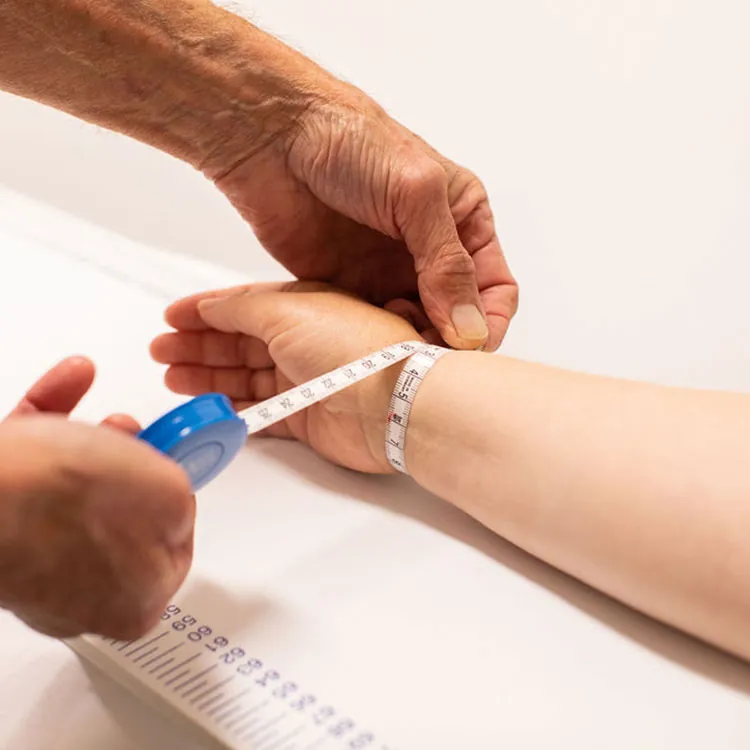
Primary lymphoedema
Some people are born with lymph vessels that didn’t form properly. Swelling can appear at birth, in the teens or later in life.
Secondary lymphoedema
Lymph vessels or nodes get damaged by surgery, cancer treatment, injury or vein problems. The swelling is “secondary” to that cause.
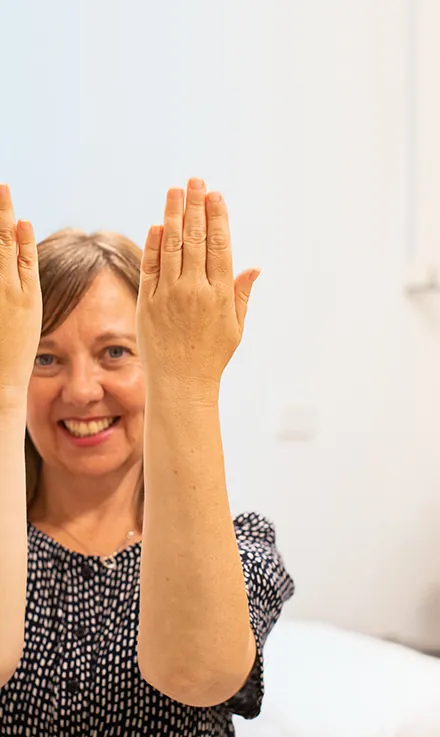
Early signs to watch for.
Caught early, breast cancer-related lymphoedema may even be reversible. If something feels different, see your doctor.
- A limb that feels heavy or full
- Swelling that comes and goes, then stays
- Rings, watches or sleeves feeling tighter
- Aching, burning or soreness
Learn the lymphatic system
Tap a node. See what it drains.
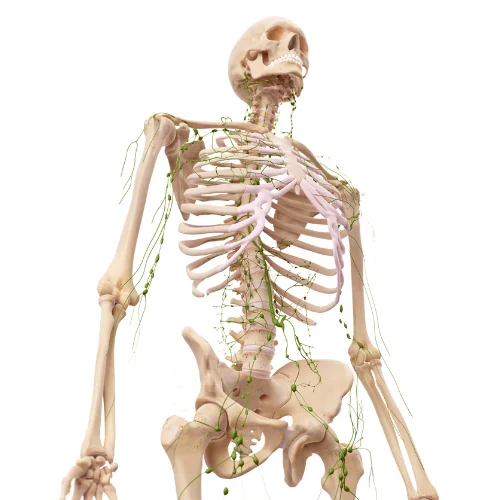
Under the arm
Axillary nodes
Drain the arm, breast and upper back. Surgery or radiation here is the main reason breast cancer treatment can lead to arm lymphoedema.
How it’s treated.
The Casley-Smith method, developed in Australia, uses four parts together. Usually an intensive block of up to four weeks, then ongoing care at home.
Skin care
Keeping skin healthy and treating infection early.
Lymphatic massage
Gentle manual lymphatic drainage to move fluid.
Compression
Bandages, then garments or pumps to hold the gains.
Exercise
Decongestive exercises that help lymph flow.
A qualified therapist can help with other chronic swelling too
- Lipoedema
- Venous disease
- Heart and kidney failure
- Dependent oedema
- Inflammatory conditions
- Medication-related swelling
- Palliative swelling
Find a qualified therapist.
CANfind lists therapists trained in the Casley-Smith method across Australia.